How We Write With AI
Every Bit & Being Press book is written by its author, with AI as a working partner. This is what that partnership looks like, and where it stops.
Two kinds of value
A book carries two kinds of value. There is the value of what was made, the story, the sentences, the people you come to care about. And there is the value of having made it, the practice and the thousands of choices behind every page.
For most of history the two arrived together. A good book was proof of a writer who had worked hard to get there. AI has pulled them apart. A strong page no longer tells you how much effort went into it, or whose.
We think that is worth being honest about. So here is how our books are made.
How a book is made
A book moves through seven stages. AI helps the author think in the early ones and helps draft in the middle ones. The author decides at every one.
Talking it through
It starts with conversation, much of it spoken aloud. Story lines, plots, and what the book might really be about. AI is a partner that asks, offers, and pushes back. The talking goes on until there is enough to build on.
The arc and the people in it
The shape of the book comes next, and the characters with it. The author keeps playing with the ideas, round after round, until something feels alive.
Stress-testing the plot
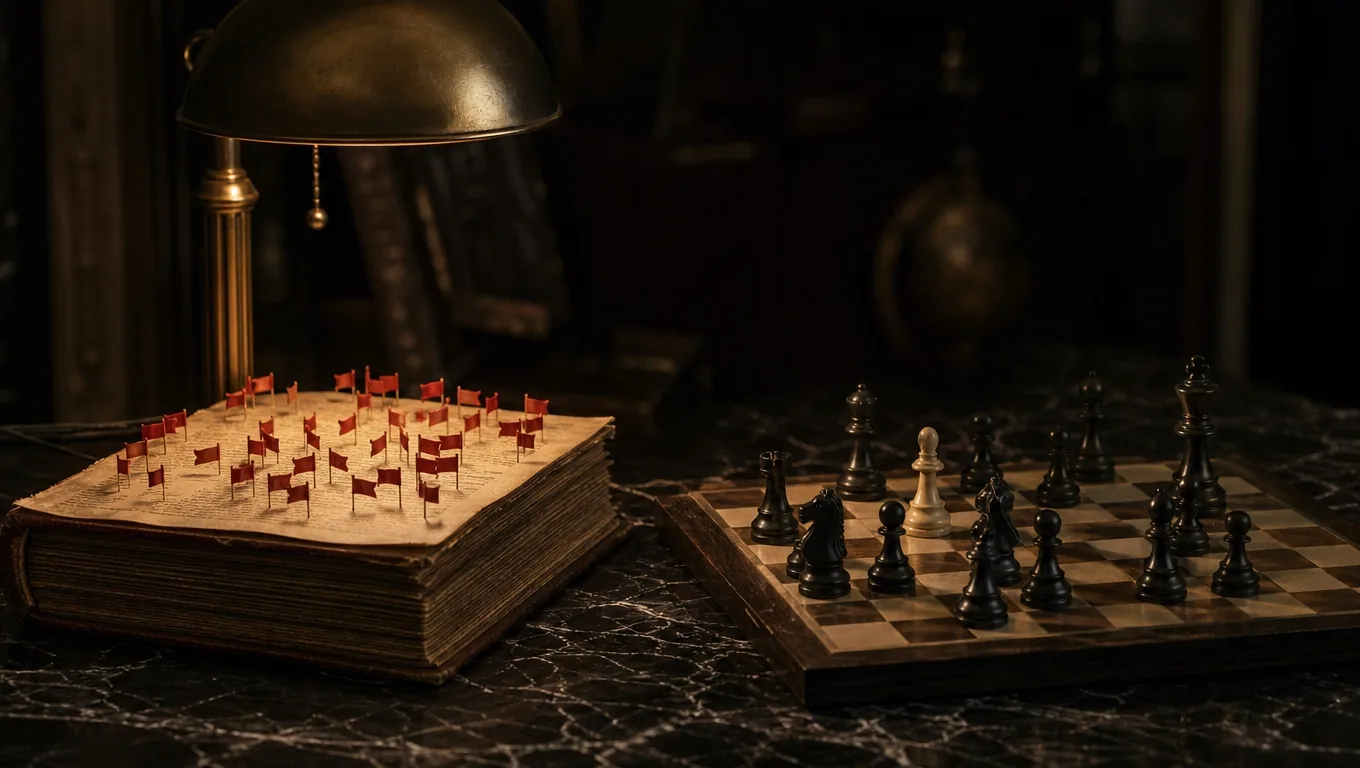
Before the writing starts, the plot is put on trial. AI plays the toughest reader the book will ever have. It asks why a character would make that choice, how they could know what they know, and whether a lucky coincidence is doing work the story should do itself. Every weak spot it finds is fixed or defended, and the plot goes back for another round. This repeats many times. What survives is a plot that holds.
Choosing the shape and the style
The author sets a target length, rules for chapter size, and a style chosen from their own preferences. Those rules guide everything that follows.
First and last chapters
The opening and the ending are built first, then rebuilt, with AI's help. Knowing where a book starts and where it lands keeps the middle honest.
Writing
Then the author writes and edits the book. AI works alongside, hand in hand, filling the blanks the author points to. Anything it drafts is rewritten, reordered, or cut.
The edit
The finished manuscript goes through Pebble Pass, our editing process. It counts, checks, and proposes changes, each with what it gains and what it costs. The author decides every one, and nothing changes without that decision.
The author as director
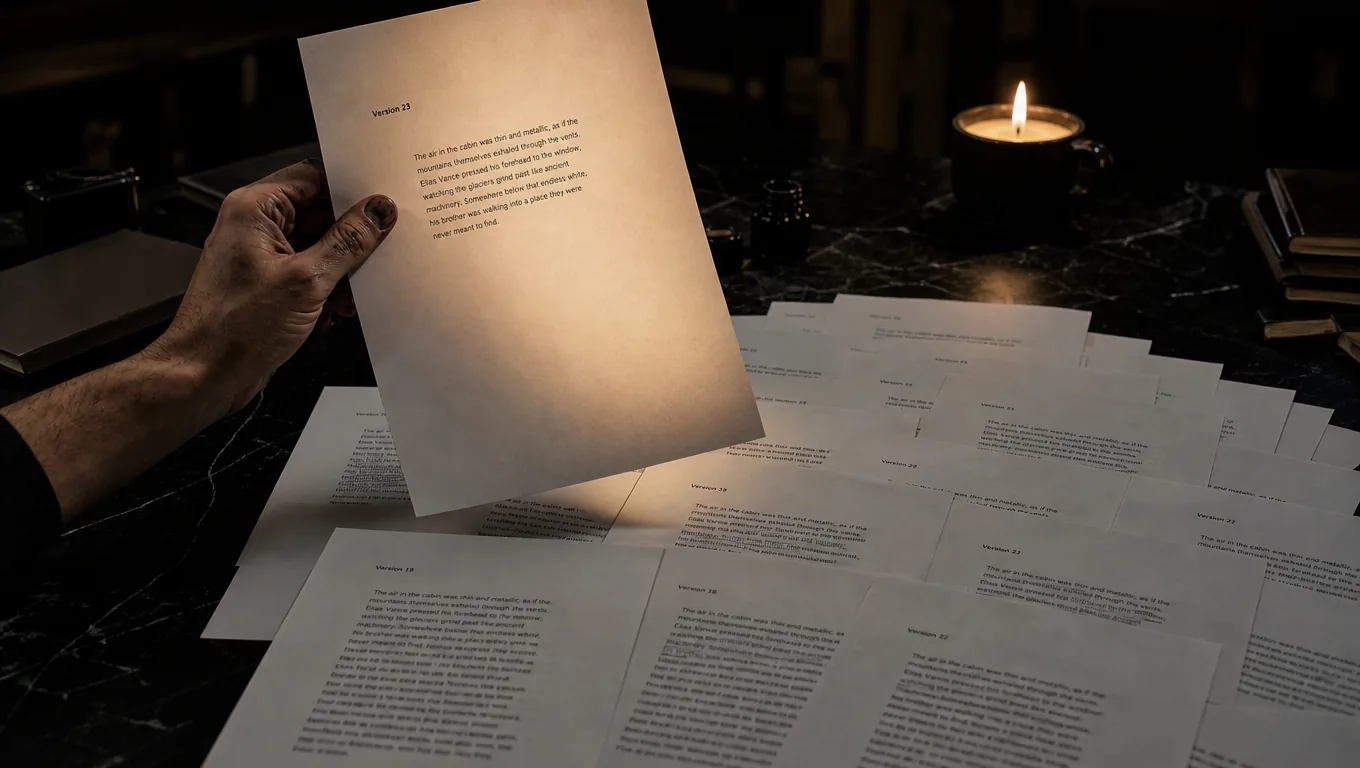
When making becomes cheap, choosing becomes expensive. AI can offer a hundred ways to open a chapter in the time it takes to write one. The rare skill is knowing which one deserves to survive, and noticing when a polished page is somehow still dead.
That is the author's work at every stage. Directing, judging, rejecting, and rewriting. A film director does not sew every costume or play every part, and no one says directing is not creative. Our authors write a great deal. But the deciding is never handed over.
The voice, the structure, and the final word on every sentence belong to the author.
Why we don't put a number on it
Some of our books lean on AI more than others. We don't grade them, and we don't publish a percentage.
Part of the reason is practical. AI's part runs through conversations, drafts, and revisions. A sentence may begin as the author's idea, pass through a machine's draft, and end in the author's words. No honest count can pull those threads apart.
Part of it is principle. A number invites readers to judge a book by how it was made instead of by what it is. We would rather you meet the book itself.
How we tell you
Every book carries a plain statement of how it was made.
- On the book's page, a short note in the author's words about the process.
- On the copyright page, one line saying that AI assisted and that every sentence went through the author's hands.
- In the copyright registration, text that began as AI generation is identified and excluded, and the human-authored work is claimed, as the U.S. Copyright Office asks.
Why we say so
We are a press named Bit & Being. It would be strange to hide the bits. We would rather be as open about our process as we would want any AI company to be about theirs.